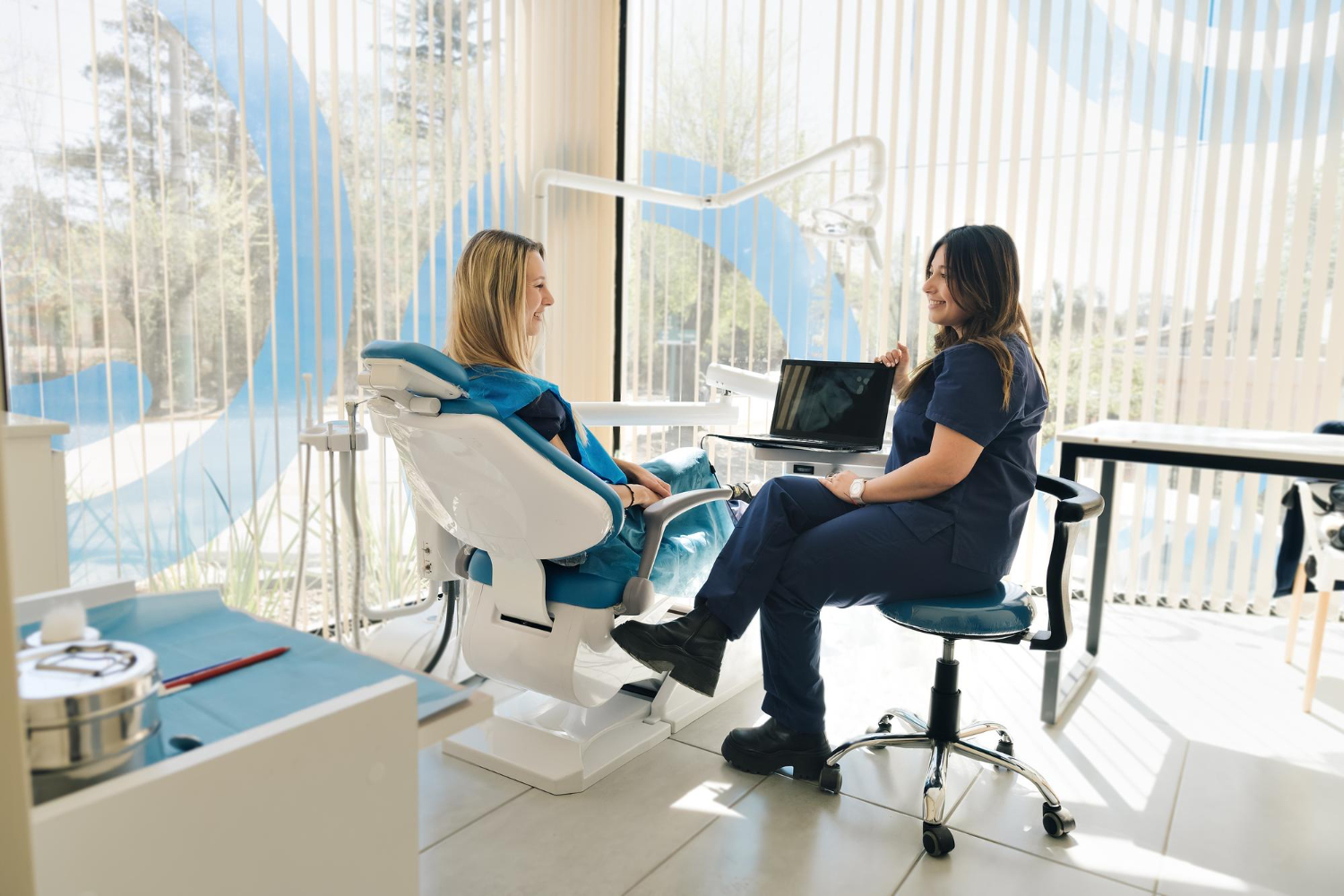
Turning Patient Comments Into Clinical Insight
Dental groups collect a lot of feedback. Surveys, online reviews, text messages, portal messages, even quick comments at the front desk. The problem is that most of that feedback never makes it into clinical decisions or provider coaching. It sits in different tools, hard to sort and even harder to trust.
Generic review tools focus on star ratings and online reputation. Clinical leaders care about different things. They want to know where chairside communication breaks down, why treatment is declined, and when post‑op issues are creeping up. Research on effective dentist‑patient communication shows that how we talk about care can shape outcomes, not just satisfaction.
That is where a structured dental feedback management system comes in. Done well, it turns subjective comments into objective metrics. It connects comments to procedures, providers, and locations, and it makes patterns visible so you can adjust protocols, scripting, training, and even scheduling. Late June is a natural time to step back, review the first half of the year, and decide how feedback will guide clinical quality goals for the months ahead.
What a Dental Feedback Management System Should Deliver
When we say "dental feedback management system," we mean simple, clear software that:
- Collects feedback from multiple channels
- Organizes it in a repeatable way
- Connects it to your practice data
- Surfaces trends so leaders can act
For a growing dental group, three outcomes matter most:
- Reliable visibility into patient experience across locations
- Direct links between feedback and specific providers or procedures
- Timely alerts when clinical or communication issues may be emerging
Modern systems should connect:
- Post‑visit surveys and review requests
- NPS or simple satisfaction scores
- Online reviews from public sites
- Secure messages and texts
- Chairside notes and free‑text comments
Those free‑text comments often hold the real clinical nuance. A single note like "I did not understand why I needed this crown" can reveal more about case acceptance than a whole stack of 10‑point ratings.
None of this works without auditability and consistency. That means:
- Standard questions by visit type, like hygiene, restorative, surgical
- Consistent tagging for procedure codes, providers, and locations
- Clear scoring rules so trends reflect performance, not survey noise
When clinical and operational teams trust the structure, they are far more willing to use feedback as part of everyday decision-making.
Connecting Feedback to Clinical, Operational, and Financial Data
Feedback alone is like a chart without X‑rays or imaging. Helpful, but incomplete. The real value comes when comments and ratings are linked to:
- Clinical data, such as treatment plans, procedures, perio status, and complications
- Operational data, like wait times, schedule density, provider mix, and chair time
- Financial outcomes, including treatment acceptance, collections, and production per visit
If your feedback system sits in a silo, you only see half the picture. A connected dental feedback management system lines up each patient journey across practice management, patient engagement, and analytics. You can then answer questions such as:
- How does the way we explain perio treatment affect case acceptance and redo work?
- Do longer waits before endo visits show up as lower satisfaction or more cancellations?
- Are post‑op complaints tied to specific procedures or to unclear instructions?
The Dental App is dental practice management software that unifies clinical, operational, and financial data for growing dental groups. Because practice management, engagement, and analytics live in one connected platform, it becomes much easier to tie comments directly to visits, procedures, and outcomes.
When practices connect feedback to claims and production data, they can uncover issues like recurring estimate confusion, missed follow‑ups on unscheduled treatment, or gaps in insurance workflows. Fixing those points can support scenarios such as 17% more claims processed and 33% faster claims processing, and up to $40K per month in additional revenue, driven by clearer presentations and better follow‑through on recommended care. A connected system like the one in our practice management platform makes that kind of closed-loop possible.
Evaluating Vendors Beyond Reputation Management
Not every feedback tool is built for clinical insight. Most vendors fit into three broad groups:
- Basic review generators that send simple requests and boost online ratings
- Generic healthcare satisfaction platforms that serve hospitals and large health systems
- Integrated dental feedback management system solutions that tie directly into practice management and analytics
The Dental App is practice management software that integrates patient feedback with real‑time analytics for multi‑location dental leaders. When you evaluate options, it helps to use a simple checklist.
Clinical context:
- Can the system tag feedback to procedure codes, providers, and locations, not just generic appointments?
- Can it filter by visit type, such as hygiene versus surgical, so clinical directors can see patterns that matter?
Workflow fit:
- Does it integrate with your existing PMS and engagement tools, or create yet another portal to log into?
- Can feedback be collected without extra steps for the front desk or clinical staff?
Analytics depth:
- Can you see trends by provider, treatment type, insurance mix, or scheduling pattern?
- Is there a way to export data for quality dashboards or share reports with regional leaders?
For some smaller offices that only need help with online reputation, a basic review tool can be enough. Larger health systems may favor broad platforms that match their organization chart. Dental groups that want clinical insight tied to detailed production and claims data usually need something different, a platform that speaks dentistry first and software second, like the connected architecture behind our analytics tools.
Turning Feedback Into Clinical and Team Action
Collecting feedback is the easy part. Turning it into change across teams and locations is where the work happens.
A useful way to start is to set a few clear clinical experience goals for the next quarter. For example:
- Improve patient understanding of implant options
- Reduce confusion about out‑of‑pocket costs for restorative care
- Cut down on avoidable post‑op discomfort after extractions
Then design survey questions and tagging around those goals, especially for complex care like implants, endo, and full‑mouth rehab. Ask directly about clarity, comfort, and follow‑up.
A simple process many groups use:
- Weekly: triage comments, flag urgent clinical or service issues, and close the loop with patients
- Monthly: review trends by provider, use real patient language in coaching conversations, and identify quick wins
- Quarterly: bring regional or location leaders together to align scripting, consent discussions, and post‑op instructions
When comments show that patients feel confused about estimates or coverage, that is a signal to refine case presentation workflows. Over time, that clarity supports higher acceptance while still keeping treatment appropriate and ethical. It also protects the financial side of the practice and helps back up the same kind of $40K per month additional revenue potential that comes with better estimate explanations and follow‑through.
The Dental App is dental analytics software that turns real‑time feedback into practical metrics for regional clinical directors and operations leaders. Inside our patient relationship tools, feedback flows straight into the same place where communication and follow‑ups are managed, which keeps action close to the work.
The Dental App is a dental feedback management system that connects patient comments to clinical, operational, and financial metrics for multi‑location dental groups that want measurable insight from every visit.
Choosing a System That Will Still Work Next Year
As midyear planning and budgeting come around, it pays to think about where your group will be, not just where it is now. A dental feedback management system should grow with you as you add locations, providers, and services like clear aligners or implant programs.
A short selection framework can help:
Data ownership and access:
- Can you export raw feedback and metrics, or are you locked into one set of dashboards?
- Can your analytics team blend that data with financial and clinical feeds?
Governance:
- Does the system support role‑based access so clinical directors, office managers, and executives each see the right level of detail?
- Can providers view their own trends without browsing other clinicians’ records?
Support and training:
- Will the vendor help design survey flows that clinicians trust and do not feel are "gotcha" tools?
- Is there a clear plan for onboarding so front desk and clinical teams know exactly what to do?
A unified platform that already houses PMS, patient engagement, and analytics, like The Dental App, reduces duplicate data entry and extra logins. Feedback is not a separate project. It becomes part of your daily clinical and operational rhythm.
Common Questions From Dental Leaders
How should a dental group define a dental feedback management system?
A dental feedback management system is a software framework that gathers patient input from surveys, reviews, and messages, then organizes it by provider, procedure, and location so leaders can analyze trends and act on them. For dental groups, it should connect directly with practice management data to link feedback to clinical, operational, and financial outcomes.
How do I know if our current survey and review tools are enough?
Your current tools are likely enough if you only need basic online reviews and high‑level satisfaction scores. If you cannot consistently answer which procedures, providers, or locations drive complaints or praise, or you cannot link feedback to case acceptance or post‑op issues, you have likely outgrown simple tools and need a true dental feedback management system.
What metrics should I track from patient feedback to improve clinical care?
The most useful metrics connect experience to specific care. Track communication clarity for complex treatments, post‑op pain and sensitivity by procedure type, wait times relative to feedback scores, and questions about costs that arise after visits. When these metrics are tied to production and claims data, they can support gains such as 17% more claims processed and 33% faster claims processing.
How does The Dental App handle patient feedback across multiple locations?
The Dental App handles patient feedback by linking comments and ratings to visits, procedures, providers, and locations in a single platform. Because The Dental App unifies PMS, patient engagement, and analytics, clinical and operational leaders can see how feedback patterns differ by site, then act on those insights with consistent protocols and coaching.
How can feedback systems help generate more revenue without pushing unnecessary treatment?
A well‑implemented dental feedback management system does not promote unnecessary care. It highlights where patients do not fully understand recommended treatment, payment options, or benefits coverage. By improving education and communication at those points, groups can ethically increase case acceptance and reduce cancellations, which can support up to $40K per month in additional revenue while maintaining clinical integrity.
What is a realistic implementation timeline for a feedback system in a 5 to 10 office group?
For a 5 to 10 office dental group, a realistic timeline is about 60 to 90 days. The first month usually covers integrations, survey design, and pilot testing in a few locations. The following weeks focus on staff training and full rollout. Systems like The Dental App that already integrate PMS, engagement, and analytics can shorten this timeline because there is less need for separate data connections.
How should we approach a mid‑year review of our feedback data?
Start by pulling six months of feedback and lining it up with your clinical and financial reports. Look for two or three clear priorities, such as reducing post‑op pain complaints for extractions or improving clarity on financial arrangements. Then pilot a more structured feedback workflow in one region over the summer, refine your questions and tags, and bring the successful pieces into your broader planning cycle so patient voices translate into real clinical and operational change.
Turn Patient Feedback Into Measurable Practice Growth
See how The Dental App can help you capture, manage, and act on patient input with a purpose-built dental feedback management system. We make it easy to centralize reviews, track trends, and respond quickly so you can protect your reputation and improve care. If you are ready to explore a tailored solution for your practice, contact us and our team will walk you through your options.