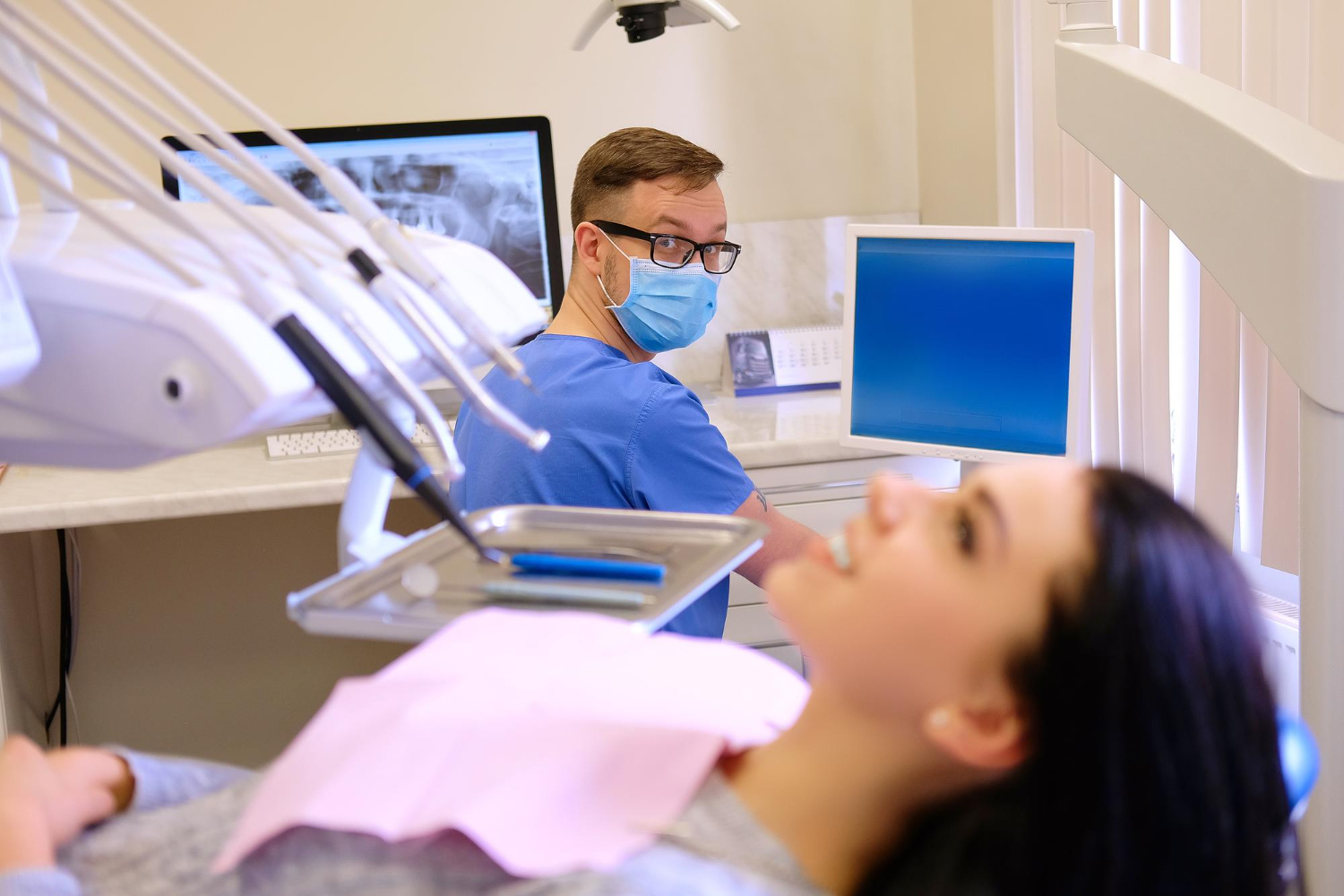
The front desk sets the tone for the whole visit. When phones are ringing, patients are lined up, and the schedule is packed, small slowdowns at intake ripple straight into the operatories. Dental patient intake software is one of the simplest ways to clear those bottlenecks, protect your team’s energy, and keep production moving.
We will walk through why traditional intake drags your day, what good dental patient intake software should actually do, how it ties into revenue and claims, how it fits in your tech stack, and how to roll it out before the late-summer busy season and end-of-the-year rush.
The Dental App is a cloud-based dental practice management platform that connects intake, clinical, and financial data for group and multi-site dental practices. The Dental App is dental data infrastructure that consolidates practice management, imaging, and patient communication for operations leaders in dentistry.
Fixing Front Desk Bottlenecks Before They Hit the Op
Many days start the same way: phones ringing off the hook, new patients at the counter with insurance cards in hand, returning patients asking if "you still have my forms from last time," and clinicians waiting to start treatment because demographics or eligibility are not ready.
Manual intake makes this worse because it:
• Forces paper forms and clipboards at check-in
• Requires hand entry into the practice management system
• Creates constant back-and-forth between front desk and ops
The schedule might look full, but production gets capped by how fast the team can type, scan, and verify. Hygienists and doctors wait, appointments start late, and everyone feels like they are running hard without getting ahead.
Dental patient intake software is not "new tech for tech’s sake." It is a practical way to redesign intake so you remove the friction that slows everything else. If you want higher revenue, smoother patient flow, and less burnout at the front, you cannot just work harder, you have to change the intake workflow itself.
Why Traditional Intake Is Slowing Your Practice Down
Old-school intake steals time in a lot of small, hidden ways. None of them seem huge alone, but they stack up fast.
Common time drains include:
• Patients repeating demographics you already have
• Long insurance verification calls during busy hours
• Illegible handwriting and forms missing key fields
• Consents that are not signed or not stored correctly
• Rework when data in the chart does not match the form
Every delay at the front desk shows up clinically. Late seat times lead to shortened appointments. Shortened appointments lead to rushed diagnostics and case presentations. When providers are in a hurry, they often diagnose less and schedule less treatment.
Those "just a few minutes" per patient scale into hours every week and lost production every month. That is why manual intake is not just a small annoyance. For growing dental groups and multi-location practices, it is an operational risk. When each office runs intake in a different way, it is almost impossible to keep data clean, track performance, or staff correctly.
What Dental Patient Intake Software Should Actually Do
Dental patient intake software is a digital workflow tool that captures demographics, consents, and pre-check information, then sends that data directly into your practice systems for front office and clinical teams.
At a basic level, it should support:
• Digital forms that patients complete before the visit
• Automated checks on required fields and signatures
• Consent management that ties to the patient record
• Medical history updates that are easy to review in the op
• Integration with your practice management and imaging tools
Not every shiny feature matters. Reliability, data accuracy, and integration depth matter more than cosmetic form styling or generic engagement extras. If the forms look pretty but your team is still re-typing into the PMS, the bottleneck is still there.
Dental patient intake software is practice operations technology that reduces manual data entry and check-in congestion for dental teams. It is there to make the day feel calmer and more predictable, not more complicated.
Turning Intakes Into Revenue, Not Just Paperwork
When intake is structured and complete, it stops being "paperwork" and starts being a revenue engine.
Clean intake helps treatment planning because:
• Medical histories are easier to review and update
• Insurance details are accurate before the patient sits down
• Reason-for-visit notes are clear, so providers prepare ahead
This lets clinicians diagnose more complete care and get it scheduled the same day. On the financial side, better intake data leads to fewer claim errors and fewer missing fields. That supports faster claim cycles and more claims processed on the first try, instead of sitting in "pending" status waiting for corrections.
With digital intake, front desk teams can shift from:
• Printing forms and scanning IDs
• Chasing missing signatures
• Manually copying insurance details
To higher-value work such as:
• Confirming benefits before the visit
• Pre-collecting copays or estimates
• Filling open chair time when cancellations pop up
When intake and data flows are modernized, practices can see up to $40K per month in additional revenue by improving show rates, reducing same-day cancellations, and capturing treatment that used to slip through cracks between the front desk, ops, and billing. Practices that automate intake and tighten claim workflows can also see up to 33 percent faster claim cycles and up to 17 percent more claims processed without rework when intake data is accurate and complete.
Where Dental Patient Intake Software Fits in Your Tech Stack
Digital intake should not live in its own silo. To really fix bottlenecks, intake data needs to flow into your practice management system, imaging, and patient communication tools so teams work from one shared source of truth.
In a connected stack, intake feeds your:
• PMS for scheduling, charting, billing, and claims
• Imaging and diagnostics so histories and x-rays line up
• Patient communication platform for reminders and recalls
This is where we see the role of The Dental App. The Dental App is practice management software that links daily clinical workflows with financial and operational analytics for group and multi-site practices. It unifies PMS, imaging, and communication data so intake information is part of real analytics, not just saved PDFs.
The Dental App is a cloud-based dental practice management platform that was built by Dr. Lior Tamir, a practicing dentist, for dental groups that want technology informed by real experience. This context matters when you decide how intake, claims, and analytics should work together.
Analytics and AI can then use intake data to answer questions like:
• How often do cancellations happen when patients never complete intake?
• Which payers drive the most revenue once benefits are verified upfront?
• What times of day see the longest check-in delays?
The Dental App is dental data infrastructure that consolidates intake, clinical, and financial information for operations leaders in dental groups. Our connected PMS, patient relationship module, and analytics tools work together as a closed loop, instead of three separate systems that barely talk.
If you want to see how that looks, the PMS core is described here: The Dental App practice management platform. For communication, there is the PRM layer: The Dental App patient relationship tools.
Evaluating Intake Solutions Without Getting Lost in Features
When you start looking at dental patient intake software, it is easy to get pulled into long feature lists. A simple, practical checklist helps you stay focused on what matters.
Questions to ask vendors:
• How does your intake connect to our current PMS and imaging?
• Where does the data live, and is it written directly into patient records?
• How do you check for missing fields, signatures, and bad data before the visit?
• What reporting do we get on check-in time, claim lag, and production impact?
• What does your support look like if our team gets stuck mid-day?
The Dental App can work alongside existing dental patient intake software or replace some intake pieces, depending on your current stack. Some practices keep a separate intake tool and sync data in. Others prefer to consolidate intake, clinical workflows, and analytics into a single connected environment.
When comparing options, ask every vendor to walk through a full patient journey:
1. New patient books online and completes intake.
2. Data flows into the PMS before the visit.
3. Team verifies benefits and sets financial expectations.
4. Provider reviews intake in the op and completes treatment.
5. Claim is submitted and tracked through payment.
This shows you where friction still exists. It also shows you which system is actually driving the workflow versus sitting on the side as a form-fill tool.
Putting Digital Intake Into Practice Before the Busy Season
Early summer is a smart time to refine intake. School is out in many places, families shift their schedules, and you still have a little breathing room before back-to-school cleanings and end-of-year insurance rushes hit.
A simple 30-day rollout plan might look like:
• Week 1: Pick a pilot location and agree on standard forms and consents.
• Week 2: Train front desk, assistants, and hygienists on new intake screens.
• Week 3: Turn on digital intake for a subset of appointments, such as new patients.
• Week 4: Expand to more visit types and review early data.
Change management matters as much as the software. Give your team scripts to explain digital intake to patients. Set expectations in reminders, like "please complete your forms before your visit so we can seat you on time." Coach staff on how to use the extra time they gain, instead of filling it with more low-value tasks.
To track whether digital intake is really working, monitor:
• Average check-in time
• Claim lag from date of service to submission
• Claim turnaround from submission to payment
• Same-day treatment rates and production per visit
• Monthly revenue lift as workflows stabilize
Using analytics in The Dental App or a comparable platform, you can see if you are moving toward faster claims, more claims processed, and higher production. Practices that combine digital intake with a modern practice management platform like The Dental App often measure improvements such as 33 percent faster claims and 17 percent more claims processed when data quality is consistently high.
FAQs
How Digital Dental Intake Software Cuts Front Desk Workload
Digital dental patient intake software reduces front desk workload by shifting data entry and form completion to patients before the visit, automatically checking for required fields and signatures, and writing clean data directly into the practice management system. This eliminates manual transcription, cuts down on follow-up phone calls for missing information, and reduces the back-and-forth between front desk and clinical teams at check-in.
What to Look for When Integrating Intake Software With Your PMS
When integrating dental patient intake software with your existing PMS, you should confirm that demographics, insurance details, medical history, and consents are written directly into the correct patient records, not just stored as PDFs. You should also verify that the integration supports eligibility workflows, claim creation, and reporting so you can track impacts on check-in time, claim lag, and production across all locations.
Can the Dental App Replace My Intake Tool or Work With It?
The Dental App can either work alongside your current dental patient intake software or replace parts of it, depending on how you want to structure your tech stack. Some practices keep a dedicated intake tool that syncs data into The Dental App, while others consolidate intake, clinical workflows, communication, and analytics directly inside The Dental App to simplify operations and reporting.
How Better Intake Data Speeds Claims and Boosts Revenue
Better intake data translates into faster claims and more revenue by reducing errors and missing fields that cause denials or delays. When insurance information and patient demographics are accurate from the start, claims can be submitted closer to the date of service, processed on the first pass more often, and paid faster. Practices that optimize intake and claim workflows report outcomes like 33 percent faster claims, 17 percent more claims processed, and up to $40K per month in additional revenue from improved show rates and more complete treatment capture.
How Analytics and AI Improve Dental Patient Intake
Analytics and AI improve dental patient intake by identifying patterns such as which appointment types see the highest no-show rates when forms are incomplete, what times of day produce the longest check-in delays, and which payer mixes respond best to upfront eligibility checks. With this information, operations leaders can adjust scheduling, staffing, and reminder strategies to reduce bottlenecks and improve financial performance.
How Does the Dental App Differ From Standalone Intake Software?
The Dental App is a cloud-based dental practice management platform that incorporates intake data into scheduling, clinical records, communication, and analytics rather than operating as a standalone form tool. This means intake information directly powers eligibility checks, claim creation, and real-time dashboards, giving dental groups a single source of truth for measuring check-in time, claim speed, and revenue lift across locations.
Transform Patient Check-In With Smart Digital Intake
Streamline your front desk, reduce paperwork, and give patients a smoother experience with our intuitive dental patient intake software. At The Dental App, we help practices automate forms, cut waiting room bottlenecks, and keep data accurate from the start. If you are ready to modernize your intake workflow, reach out to our team to discuss your needs or contact us to schedule a personalized walkthrough.